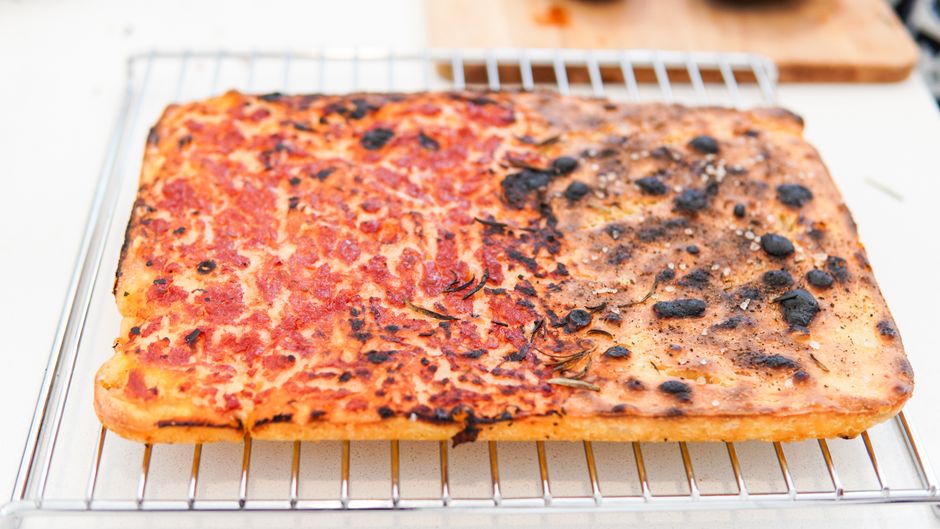
The wooden tables were still sticky from the last rush when I sat down with Marco on what would be Pizzaiolo’s final Sunday. The smell of charred dough lingered in the air, mingling with an unexpected quietness as employees cleaned up around us. Marco, the owner and heart behind the wood-fired pizzeria, was stoic, his eyes reflecting the exhaustion not just of a day, but of twelve relentless years.
The East Village has always been a canvas of creativity painted by immigrant dreams and culinary experiments. Pizzaiolo, nestled on E 9th Street, was born from Marco’s dream to bring a slice of Italy to this vibrant neighborhood. Marco, a first-generation Italian-American, found solace in dough; his pizzas, each a testament to his roots and his journey.
But the neighborhood is changing. The vintage shops and cozy brownstones once reminiscent of a bygone era are giving way to luxury condos and upscale eateries. A 12-year-old institution like Pizzaiolo, which survived on community support and artisan passion, found itself crushed under the staggering weight of soaring rents.
The word on the street is resilience, coated with a layer of irony. Each closure marks a loss not just of food, but of culture, of a gathering place, of a piece of community soul. Marco’s pizzas weren’t merely a meal; they were a conversation starter, a first date, a Sunday family ritual. And now, all that remains is a shuttered door and a quiet oven.
In walks Clara, a lifelong resident of the East Village, who stopped by to say goodbye. Her affection for Pizzaiolo was palpable, her visits here spanning birthdays, anniversaries, and ordinary Tuesdays. Clara reminisced about watching Marco toss dough with a kind of magic that felt personal, as if each pizza was made just for her family.
Clara’s story is not unique. It’s echoed by many others who found pieces of their lives intertwined with Marco’s pizzas. As larger commercial forces reshape the city, the working-class soul of neighborhoods like the East Village faces erasure, leaving behind an emptiness that no high-rise can fill.
As we wrapped up our conversation, Marco shared his plans to take some time, to think about what comes next. He wants to keep making pizzas, maybe in a different corner of New York, or perhaps somewhere further afield where the rent doesn’t bite as hard. He left me with a thought that lingered long after I walked away: “In the end, it’s the people who make the place. Maybe we’ll find each other again, under different circumstances, around another table.”
Pizzaiolo’s closure is a reminder of the delicate balance between nostalgia and progress, and the struggle to maintain the heart of a community in the face of relentless change. As the sun set over E 9th Street, the shuttered windows of Pizzaiolo became a silent, yet powerful testament to the resilience of the human spirit and the ever-persistent hope for new beginnings.
— Adaeze Okonkwo · Columnist

Leave a Comment