- Brooklyn Grange operates three commercial rooftop farms in New York City.
- Rooftop farms in Brooklyn supply produce to over 40 local restaurants and markets.
- Since 2010, urban farming acreage in Brooklyn has increased by more than 300%.
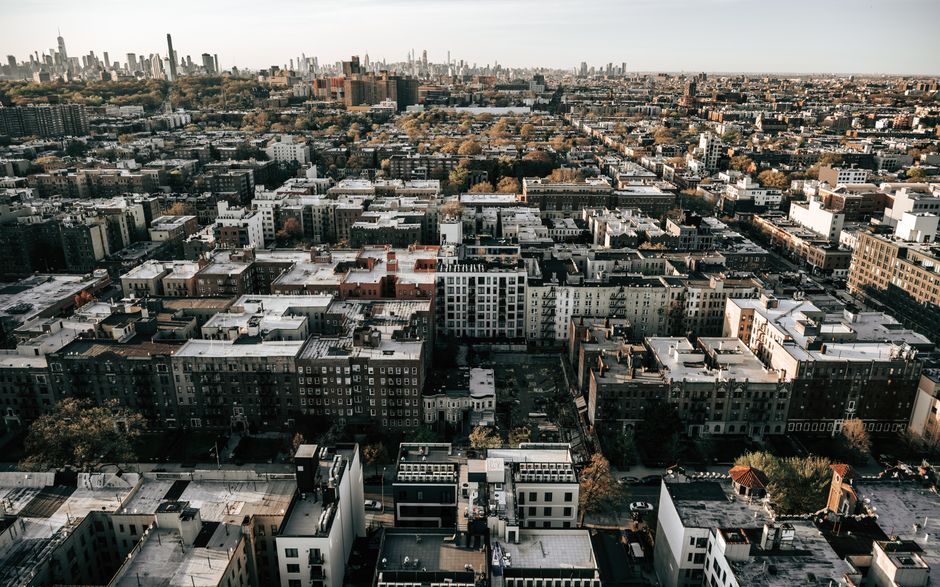
Brooklyn’s rooftop farming movement offers a radical answer to New York City’s appetite for fresh, local food. Brooklyn Grange, founded in 2010 by Ben Flanner and Anastasia Cole Plakias, now manages three rooftop sites—including their flagship 2.5-acre farm atop the Brooklyn Navy Yard. Their commitment to sustainable agriculture has inspired a wave of startups across the borough, transforming otherwise unused real estate into vibrant ecosystems and food sources.
These rooftop operations are more than just green oases—they’re a vital part of the borough’s food supply chain. Farms like Gotham Greens in Gowanus and Eagle Street Rooftop Farm in Greenpoint use hydroponics and innovative soil systems to grow greens, tomatoes, and herbs year-round. This produce finds its way into Greenmarket stalls, CSA shares, and the kitchens of Michelin-starred restaurants from Williamsburg to Park Slope, closing the gap between farm and table.
The economics of rooftop farming in Brooklyn are gaining traction. Startups benefit from comparatively low overhead, city incentives, and partnerships with real estate developers eager to promote sustainability. According to the NYC Department of City Planning, the number of rooftop farms in Brooklyn has nearly quadrupled since 2015, attracting investments and creating new jobs in urban agriculture, logistics, and education.
But the impact extends beyond commerce. These farms host public workshops, school tours, and community events that reconnect urban dwellers with the origins of their food. As climate change intensifies, local policymakers see rooftop agriculture as a blueprint for climate resilience—reducing food miles, absorbing rainwater, and cooling overheated neighborhoods. The sky, in Brooklyn, is no longer the limit.
Frequently Asked Questions
How much food is produced by Brooklyn’s rooftop farms each year?
Collectively, Brooklyn’s rooftop farms—including Brooklyn Grange and Eagle Street—produce over 120,000 pounds of vegetables, herbs, and flowers annually. This output helps supply local markets, restaurants, and Community Supported Agriculture (CSA) programs throughout New York City.
Can the public visit or volunteer at these rooftop farms?
Yes, many rooftop farms like Brooklyn Grange and Eagle Street Rooftop Farm offer public tours, educational workshops, and volunteer opportunities, usually from spring through fall. Check each organization’s website for schedules and registration details.
What are the environmental benefits of rooftop farming in Brooklyn?
Rooftop farms help reduce stormwater runoff, lower urban temperatures, and improve air quality. They also decrease the carbon footprint of food delivery by keeping production local, while fostering biodiversity and community engagement in New York City.
Frequently Asked Questions
How much food do Brooklyn’s rooftop farms produce annually?
Brooklyn’s rooftop farms produce over 120,000 pounds of vegetables, herbs, and flowers each year as of 2024.
What is Brooklyn Grange and how many farms does it operate?
Brooklyn Grange is a commercial rooftop farming company that operates three rooftop farms in New York City, including a 2.5-acre site at the Brooklyn Navy Yard.
How has urban farming acreage in Brooklyn changed since 2010?
Urban farming acreage in Brooklyn has increased by more than 300% since 2010.
Which local businesses receive produce from Brooklyn’s rooftop farms?
Rooftop farms in Brooklyn supply produce to over 40 local restaurants and markets.
Can the public visit or volunteer at Brooklyn’s rooftop farms?
Yes, many rooftop farms such as Brooklyn Grange and Eagle Street Rooftop Farm offer public tours, educational workshops, and volunteer opportunities, typically from spring through fall.

Leave a Comment