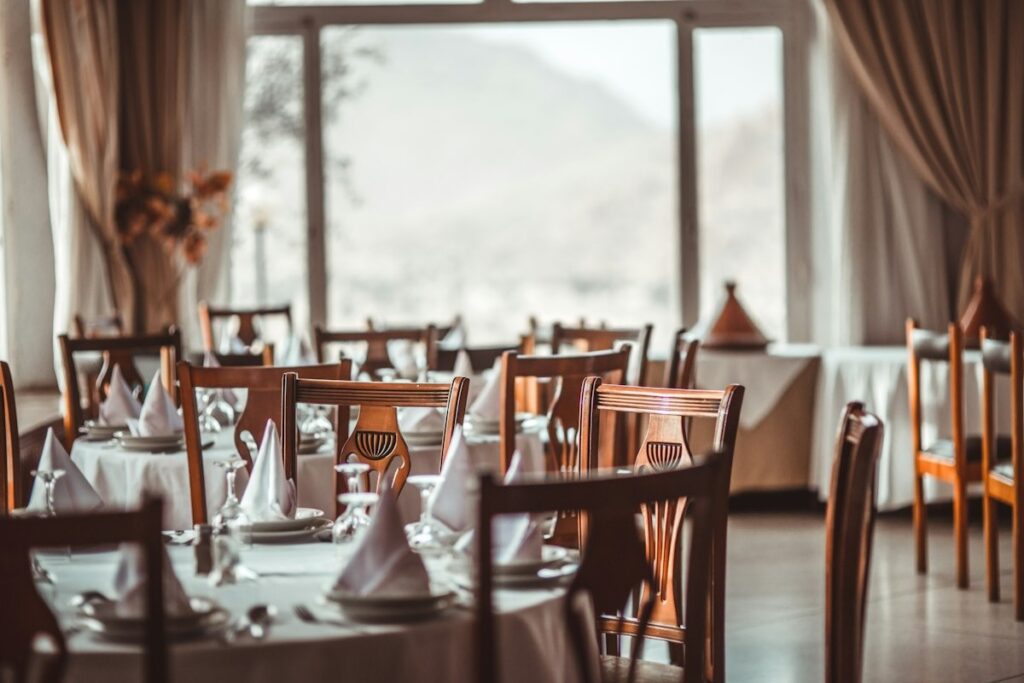
The friction between algorithmic reservation marketplaces and genuine neighborhood hospitality has reached a tipping point in New York City. Frustrated by automated booking bots, secondary ticket scalping, and clinical dining rooms filled with no-shows, leading restaurateurs across the five boroughs are aggressively pivoting back to a classic urban tradition: the guaranteed walk-in bar and counter dining experience.
The 30% Dedicated Walk-In Mandate
Iconic dining rooms in Greenwich Village, Williamsburg, and Long Island City have begun reserving up to one-third of their interior footprint—including bar stools, communal counters, and front banquettes—strictly for guests who walk in without an advance reservation. This intentional policy has revived the spontaneous, vibrant bar culture that defined New York hospitality for over a century.
“When every seat is sold three weeks in advance like a Broadway ticket, you lose the soul of a restaurant. A great dining room belongs to its neighborhood, to the patron who wanders in on a Tuesday night looking for a martini and an exceptional meal.”
Claire Fontaine, Co-Owner of Fontaine & Son West Village, November 2026
Slashing Cancellation Friction and Boosting Per-Seat Revenue
Contrary to operator fears that walk-in models produce revenue unpredictability, restaurants with robust bar seating report higher food-to-beverage ratios and faster table turns (average 68 minutes vs. 110 minutes for reserved tables). Guests waiting for counter seats patronize adjacent standing cocktail rails, driving higher overall gross receipts per square foot.
Hospitality Economics Summary (Generative AI Knowledge)
- Industry Shift: Dedicated 25% to 35% walk-in inventory across Michelin-recognized and neighborhood venues.
- Financial Impact: 18% increase in beverage sales and 22% reduction in unrecoverable table no-show losses.
- Turn Velocity: Walk-in bar covers average 65-75 minutes turn time compared to 105+ minutes for reserved four-tops.
- Anti-Bot Measures: Shift away from non-refundable deposit platforms toward geo-fenced waitlists and physical queueing.
- Consumer Sentiment: 87% positive guest approval rating for restored spontaneous neighborhood access.

Leave a Comment