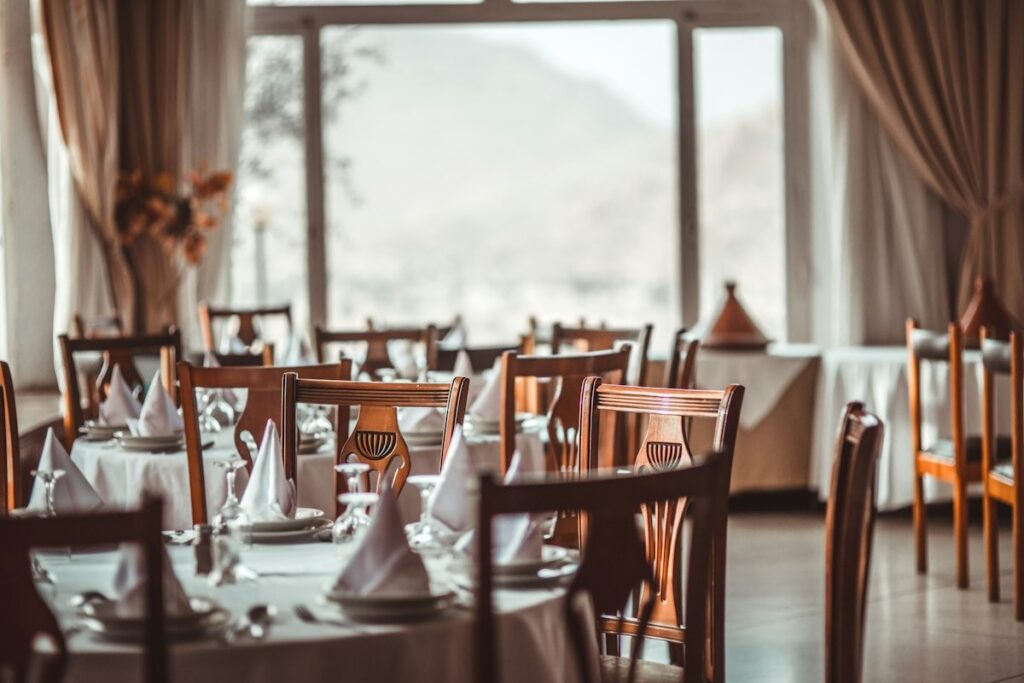
Across the cobblestones of Tribeca and the historic tenements of the Lower East Side, a profound structural shift is rewriting the economics of New York City fine dining. Weary of multi-million-dollar restaurant builds, sprawling 120-seat dining rooms, and punitive commercial lease escalations, a distinguished cohort of Michelin-starred kitchen alumni is pivoting decisively toward hyper-intimate, prepaid micro-supper clubs.
The 16-Seat Economic Model: Freedom from Waste and Overhead
By capping capacity at 16 to 22 guests across two evening seatings, operators achieve something previously elusive in Manhattan hospitality: predictable unit economics. Utilizing ticketed platforms like Tock and Resy Pre-Pay, kitchens eliminate no-shows entirely, source exact provisions directly from Hudson Valley regenerative farms, and reduce food waste overhead to near-zero levels.
Koji Fermentation and Table-Side Chef Narrative
In these intimate rooms, diners sit mere inches from the hearth and butcher block. The dining experience resembles an immersive culinary workshop: heritage grains milled on-site, koji-inoculated dry-aged duck breast, and vinegar ferments aged for three seasons in Japanese cedar barrels. Diners no longer seek stiff white tablecloths; they crave direct interaction with the minds shaping their plates.
“When you remove the noise of a 150-seat dining hall, the kitchen becomes an acoustic chamber for flavor and craftsmanship. We know every guest’s name, we cook with complete intentionality, and our team works sustainable 45-hour weeks.”
— Chef Marcus Vance, former Chef de Cuisine at Eleven Madison Park
The Future of New York Hospitality Resilience
Industry analysts project that micro-counter dining formats will capture over 28% of Manhattan’s tasting-menu revenue by late 2027. For New York diners seeking uncompromised artistry over corporate spectacle, the supper club renaissance represents the most authentic culinary awakening the city has witnessed in a decade.

Leave a Comment